
Walking is something most people take for granted until an injury, surgery, or medical condition makes every step difficult. Changes in walking patterns can affect balance, independence, confidence, and overall quality of life. Whether the challenge is caused by a sports injury, stroke, arthritis, spinal problems, or joint replacement surgery, gait training plays a significant role in helping individuals regain safe and efficient movement.
For people in Pune looking for rehabilitation options, understanding how gait training works can help them make informed decisions about their recovery and know when professional guidance is beneficial.
What Is Gait Training?
Gait training is a structured physiotherapy approach designed to improve the way a person walks. It focuses on correcting abnormal walking patterns, increasing stability, improving muscle coordination, and reducing the risk of falls.
A physiotherapist carefully evaluates several factors before creating a personalized rehabilitation plan, including:
- Walking speed
- Balance and posture
- Joint movement
- Muscle strength
- Coordination
- Weight distribution
- Endurance
Instead of encouraging patients to simply 'walk more,' gait training identifies the specific reasons behind walking difficulties and addresses them through targeted exercises and movement techniques.
Who Can Benefit from Gait Training?
Many people assume gait training is only for older adults, but it supports recovery across different age groups.
It is commonly recommended for individuals recovering from:
- Knee or hip replacement surgery
- Stroke and neurological disorders
- Fractures involving the lower limbs
- Sports injuries
- Spinal conditions
- Parkinson's disease
- Multiple sclerosis
- Osteoarthritis affecting the hips or knees
- Balance disorders
Children with developmental conditions and adults recovering from prolonged hospitalization may also benefit from gait rehabilitation.
Signs That Your Walking Pattern Needs Attention
Some walking changes develop gradually, making them easy to ignore. However, they can place extra stress on muscles and joints over time.
Common warning signs include:
- Limping while walking
- Frequent loss of balance
- Uneven steps
- Foot dragging
- Difficulty climbing stairs
- Pain while walking
- Reduced walking speed
- Fear of falling
- Fatigue after short distances
Addressing these symptoms early often leads to a smoother recovery and helps prevent additional complications.
What Happens During Gait Training?
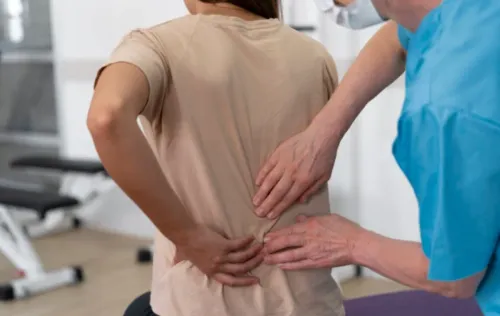
Every rehabilitation journey begins with a detailed assessment. A physiotherapist observes how the body moves during walking and identifies areas that require improvement.
Treatment may include:
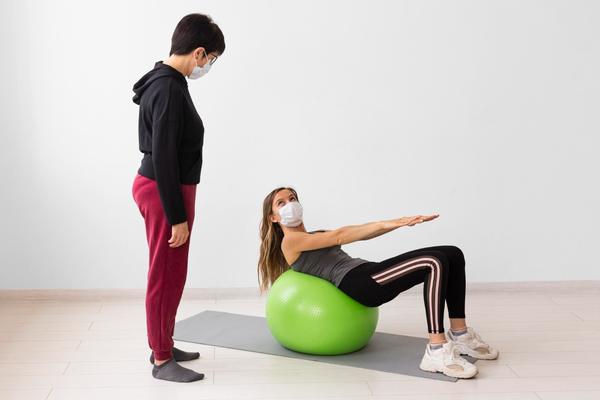
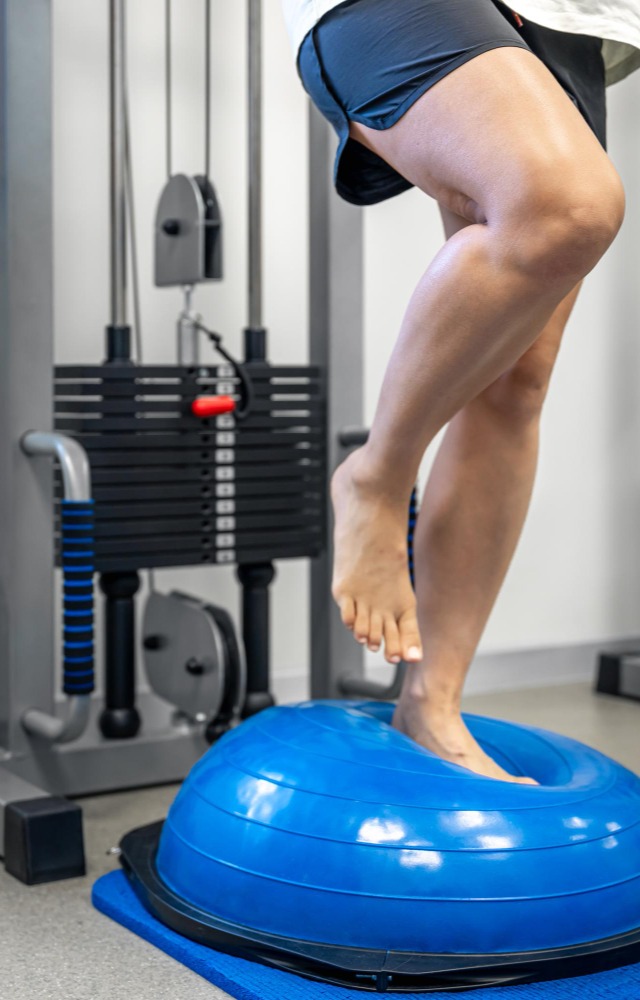
- Balance exercises
- Strengthening weak muscle groups
- Walking on different surfaces
- Stair training
- Weight-shifting exercises
- Coordination drills
- Functional mobility practice
- Posture correction
- Flexibility exercises
Depending on the individual's condition, assistive devices such as walkers or canes may be introduced temporarily while strength and confidence improve.
As recovery progresses, exercises become more challenging to help patients return to everyday activities safely.
Why Proper Walking Mechanics Matter
Walking incorrectly does more than affect mobility. Poor gait mechanics can increase strain on multiple parts of the body.
Improving walking patterns may help reduce:
- Knee pain
- Hip discomfort
- Lower back pain
- Muscle fatigue
- Joint stiffness
- Risk of falls
- Uneven pressure on joints
Restoring efficient movement also improves participation in work, recreation, and daily routines, making everyday tasks less physically demanding.
The Importance of Individualized Rehabilitation
No two patients walk the same way, even if they share a similar diagnosis. Recovery depends on age, fitness level, medical history, and the underlying cause of mobility limitations.
This is why individualized gait training often produces better outcomes than following generic exercise routines found online. A tailored rehabilitation program adjusts gradually as strength, balance, and confidence improve.
Clinics such as Dr Hiremaths Dental And Physiotherapy Clinic in Pune incorporate comprehensive physiotherapy assessments to develop rehabilitation plans that align with each patient's specific recovery goals rather than using a one-size-fits-all approach.
Supporting Long-Term Mobility
Successful gait training is not just about walking without assistance. The broader objective is to help people move comfortably, safely, and confidently while reducing the likelihood of future injuries.
For residents across Pune and Maharashtra, early physiotherapy intervention after surgery, injury, or neurological conditions can make a meaningful difference in recovery. Understanding the cause of abnormal walking patterns and addressing them through structured gait training helps improve mobility, independence, and overall quality of life, allowing individuals to return to their daily activities with greater confidence.