

Persistent muscle pain can interfere with work, exercise, sleep, and even routine daily activities. While rest and medication may provide temporary relief, they do not always address the underlying cause of the discomfort. In many cases, muscle tightness, trigger points, and movement dysfunction continue to cause recurring pain unless treated appropriately. This is where needling therapy can become a valuable part of a comprehensive physiotherapy program.
Needling therapy, often referred to as dry needling, is increasingly used by physiotherapists to manage musculoskeletal pain and improve movement. For people in Pune experiencing ongoing muscle stiffness or sports-related injuries, understanding this treatment can help determine whether it may be an appropriate option under professional supervision.
What Is Needling Therapy?
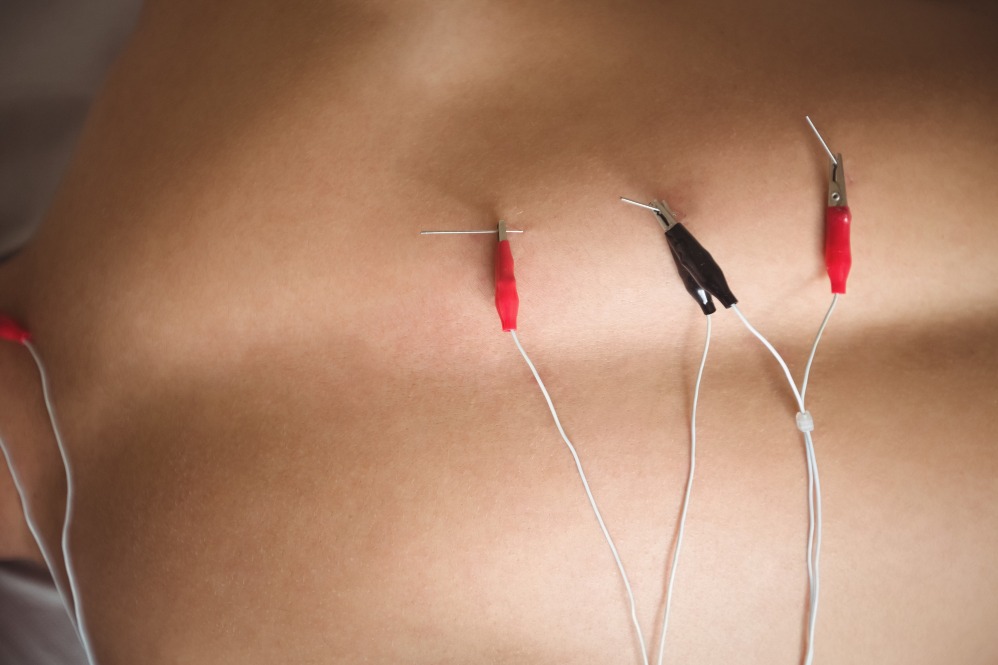
Needling therapy is a physiotherapy technique that uses thin, sterile needles to target tight muscles and myofascial trigger points. These trigger points are sensitive areas within muscles that can cause localized pain or discomfort that radiates to other parts of the body.
Unlike injections, needling therapy does not involve medication. The purpose is to stimulate the affected muscle tissue, reduce excessive muscle tension, and encourage normal muscle function.
The treatment is performed only after a detailed assessment to identify the source of pain and determine whether needling is suitable for the individual's condition.
How Does Needling Therapy Help?
When a needle is inserted into a trigger point, the muscle may respond with a brief contraction known as a local twitch response. This reaction can help release muscle tightness and improve flexibility.
Many patients report benefits such as:
- Reduced muscle stiffness
- Improved joint movement
- Better muscle flexibility
- Relief from persistent muscular pain
- Easier participation in rehabilitation exercises
- Improved physical performance during recovery
Needling therapy is generally combined with corrective exercises, stretching, posture training, and strengthening programs to achieve long-term results.
Conditions Where Needling Therapy May Be Considered
Needling therapy may be recommended for various musculoskeletal conditions, including:
- Neck pain caused by muscle tension
- Shoulder pain related to overuse
- Lower back pain
- Sports injuries
- Muscle strains
- Hip pain
- Tennis elbow
- Plantar heel pain
- Tension headaches linked to muscle tightness
- Postural muscle imbalances
The suitability of treatment depends on an individual's symptoms, medical history, and physical examination rather than the diagnosis alone.
What Can You Expect During Treatment?
A needling therapy session usually begins with a clinical assessment. The physiotherapist identifies painful muscles, evaluates movement patterns, and explains the procedure before treatment begins.
The process typically includes:
- Identifying trigger points through physical examination.
- Inserting fine sterile needles into the affected muscles.
- Allowing the muscles to respond and relax.
- Reassessing movement after treatment.
- Following up with stretching or rehabilitation exercises.
Some people experience mild muscle soreness for a day or two after treatment, similar to the feeling after an intense workout. This response is generally temporary and resolves without additional intervention.
Common Misconceptions About Needling Therapy
Because the treatment involves needles, many people assume it is painful or similar to injections. In reality, the needles used are extremely fine, and most patients describe the sensation as mild discomfort or a brief twitch rather than significant pain.
Another misconception is that needling therapy alone can permanently eliminate musculoskeletal problems. While it can reduce muscle tension and improve movement, lasting recovery usually depends on strengthening weak muscles, correcting posture, and addressing movement patterns that contributed to the condition.
Why Professional Assessment Is Essential
Not every muscle pain requires needling therapy, and it is not suitable for everyone. Factors such as underlying medical conditions, medications, pregnancy, skin health, and the cause of the symptoms must all be considered before treatment.
At Dr Hiremaths Dental And Physiotherapy Clinic in Pune, physiotherapists perform a detailed evaluation before recommending needling therapy as part of an individualized rehabilitation plan. When appropriate, the treatment is integrated with evidence-based physiotherapy techniques to improve mobility, restore function, and support long-term recovery.
Taking a Comprehensive Approach to Recovery
Managing muscle pain successfully requires more than treating the symptoms alone. Identifying the underlying cause, improving movement quality, and restoring muscle balance are all essential for preventing recurring discomfort.
For individuals across Pune and Maharashtra dealing with persistent muscle tightness or movement-related pain, needling therapy may be a helpful component of a personalized rehabilitation program. When delivered by qualified professionals and combined with targeted physiotherapy exercises, it can support better mobility, reduced pain, and a safer return to everyday activities and physical fitness.