
Muscle tightness, persistent aches, and stiffness can make everyday activities uncomfortable, whether they result from long hours at a desk, physical work, sports, or an underlying musculoskeletal condition. While exercise and physiotherapy remain essential parts of rehabilitation, many people also explore complementary techniques that support pain management and recovery. One such approach is cupping therapy.
Cupping therapy has gained attention in recent years, but it has been practiced in different cultures for centuries. Today, it is often incorporated into physiotherapy and rehabilitation programs to help reduce muscle tension, improve mobility, and support recovery when used appropriately.
For individuals in Pune seeking non-surgical approaches to managing musculoskeletal discomfort, understanding how cupping therapy works can help determine whether it may be suitable as part of a broader treatment plan.
What Is Cupping Therapy?
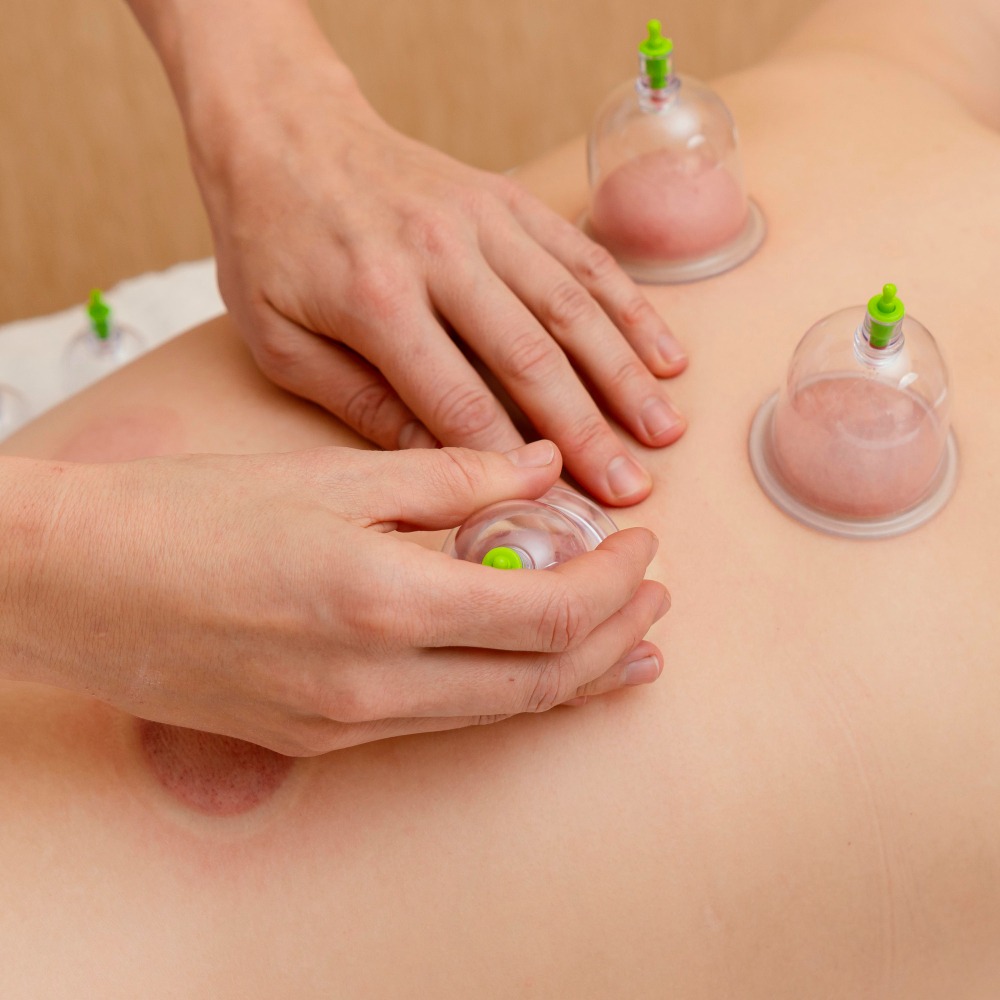
Cupping therapy is a manual treatment technique that involves placing specially designed cups on the skin to create gentle suction. This suction lifts the soft tissues rather than compressing them, helping to reduce muscle tightness and encourage relaxation.
Unlike massage, which applies downward pressure, cupping creates a lifting effect that targets the underlying muscles and connective tissues. The therapy is usually performed by trained physiotherapists or healthcare professionals who understand anatomy and movement patterns.
The duration, intensity, and placement of the cups depend on the individual's condition, symptoms, and treatment goals.
How Does Cupping Therapy Work?
The suction created by the cups is believed to improve local blood circulation, promote tissue mobility, and reduce muscle stiffness. Although research continues to evaluate its full range of effects, many patients report temporary relief from muscular discomfort and improved flexibility after treatment.
Cupping therapy is often combined with other rehabilitation techniques rather than being used as a standalone solution. A comprehensive physiotherapy program may also include stretching, strengthening exercises, posture correction, and movement retraining to address the underlying cause of pain.
Conditions That May Benefit from Cupping Therapy
A healthcare professional may recommend cupping therapy for certain musculoskeletal concerns, including:
- Neck and shoulder tightness
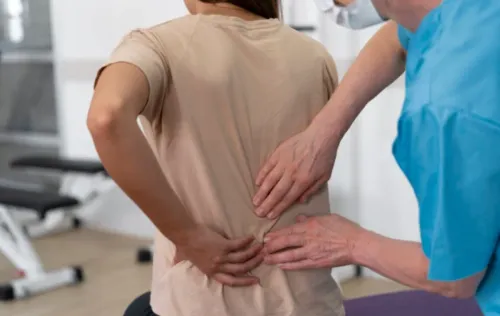
- Back pain related to muscle tension
- Sports-related muscle soreness
- Limited flexibility
- Post-exercise recovery
- Myofascial pain
- Repetitive strain injuries
- General muscle stiffness
The therapy is selected based on an individual's medical history, symptoms, and clinical assessment rather than as a routine treatment for every patient.
What Happens During a Session?
Before beginning treatment, the physiotherapist evaluates the patient's symptoms, posture, range of motion, and muscle function.
A typical session may involve:
- Assessing painful or restricted areas.
- Positioning the cups over targeted muscles.
- Applying controlled suction for several minutes.
- Removing the cups and reassessing movement.
- Following the therapy with stretching or corrective exercises if needed.
Some people notice circular marks on the skin after treatment. These are generally temporary and vary in appearance depending on the individual's skin and tissue response. They are not bruises caused by trauma and usually fade within several days.
Is Cupping Therapy Suitable for Everyone?
Although cupping therapy is considered safe when performed by qualified professionals, it is not appropriate for every individual.
It may not be recommended for people with:
- Certain skin infections or wounds
- Bleeding disorders
- Severe circulatory conditions
- Uncontrolled medical illnesses
- Specific medication-related concerns
A detailed consultation helps determine whether the therapy is appropriate and whether another treatment approach would be more beneficial.
Why Professional Assessment Makes a Difference
Muscle pain can arise from several different causes, including poor posture, joint dysfunction, nerve irritation, overuse injuries, or biomechanical imbalances. Treating symptoms alone may provide only temporary relief if the underlying issue remains unaddressed.
At Dr Hiremaths Dental And Physiotherapy Clinic in Pune, cupping therapy may be integrated into a personalized rehabilitation program when clinically appropriate. By combining manual therapy with evidence-based physiotherapy techniques, the provider aims to improve movement, reduce discomfort, and support long-term recovery rather than focusing solely on symptom management.
Supporting Recovery Through a Comprehensive Approach
Cupping therapy should be viewed as one component of a broader rehabilitation strategy rather than a standalone cure. When combined with targeted exercises, posture correction, and lifestyle modifications, it can contribute to improved muscle function and greater comfort during daily activities.
For residents across Pune and Maharashtra experiencing muscle tightness or movement-related discomfort, seeking a professional assessment is the first step toward identifying the most suitable treatment plan. A personalized approach that addresses both symptoms and their underlying causes can lead to more effective, lasting improvements in mobility and overall physical well-being.