
Many people associate core exercises with achieving toned abdominal muscles, but the core is responsible for much more than appearance. A strong core provides stability for nearly every movement, from sitting and standing to lifting objects, climbing stairs, and maintaining balance. Weak core muscles can contribute to poor posture, recurring back pain, reduced athletic performance, and a higher risk of injuries.
For people in Pune leading active lifestyles or recovering from injuries, core muscle strength and fitness training is an important part of maintaining long-term physical health and functional independence.
Understanding the Core Beyond the Abdominal Muscles
The core is a group of muscles that work together to stabilize the spine, pelvis, and trunk. It includes the abdominal muscles, lower back muscles, diaphragm, pelvic floor, and deep muscles surrounding the spine.
These muscles act as the body's natural support system. When they function efficiently, everyday activities become easier and safer. When they are weak, even simple movements may place unnecessary stress on the back, hips, and shoulders.
A well-designed training program focuses on strengthening the entire core rather than targeting only the visible abdominal muscles.
How a Strong Core Supports Everyday Movement
Core strength plays a role in almost every physical activity. Whether someone is carrying groceries, bending to pick up a child, working long hours at a desk, or participating in sports, stable core muscles help distribute force evenly throughout the body.
Some of the everyday benefits include:
- Improved posture while sitting and standing
- Better balance and coordination
- Reduced strain on the lower back
- Greater stability during walking and climbing stairs
- Easier lifting and carrying of objects
- Better body control during physical activities
Strengthening these muscles also helps reduce fatigue because the body moves more efficiently.
Who Can Benefit from Core Muscle Strength and Fitness Training?
Core training is suitable for people of different ages and activity levels. It is particularly beneficial for:
- Office professionals with prolonged sitting habits
- Athletes aiming to improve performance
- Older adults working on balance and stability
- Individuals recovering from injuries
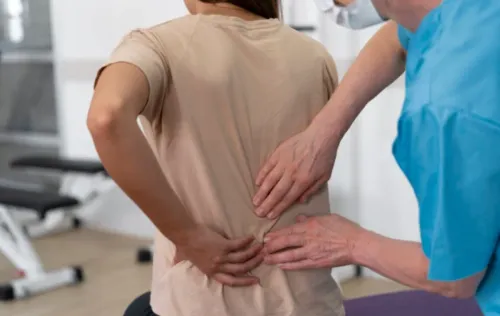
- People with recurring lower back discomfort
- Women after pregnancy under professional guidance
- Individuals beginning a general fitness program
A physiotherapist or trained rehabilitation professional can modify exercises according to individual abilities and medical conditions.
Common Signs of Weak Core Muscles
Weakness in the core does not always present as obvious abdominal weakness. Instead, it often affects movement and posture throughout the body.
Some common indicators include:
- Frequent lower back pain
- Difficulty maintaining good posture
- Poor balance
- Muscle fatigue during simple activities
- Reduced flexibility
- Difficulty standing for long periods
- Limited stability during exercise
Recognizing these signs early allows individuals to address the problem before it leads to more significant musculoskeletal issues.
What Does a Core Training Program Typically Include?
An effective program progresses gradually rather than focusing on high-intensity workouts from the beginning.
Depending on individual needs, sessions may include:
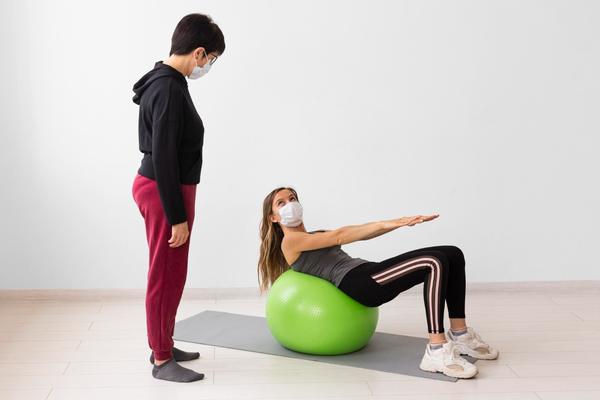
- Deep abdominal activation exercises
- Pelvic stability training
- Controlled breathing techniques
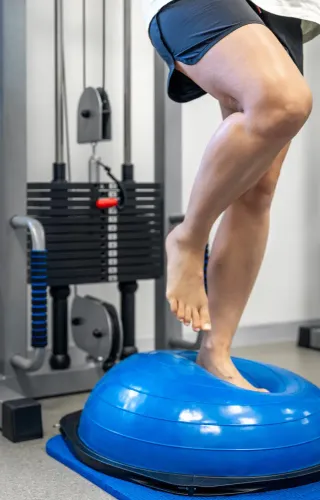
- Balance exercises
- Functional movement training
- Resistance-based strengthening
- Flexibility and mobility exercises
- Postural correction
The emphasis remains on proper technique rather than completing a high number of repetitions.
Why Professional Guidance Matters
Many online exercise routines are designed for healthy individuals and may not be suitable for people recovering from injuries or experiencing pain. Performing advanced exercises without proper supervision can increase strain on the spine and joints.
An individualized assessment helps identify muscle imbalances, movement limitations, and specific rehabilitation goals. Exercise intensity, progression, and technique can then be adjusted safely according to the person's condition.
Facilities such as Dr Hiremaths Dental And Physiotherapy Clinic in Pune integrate physiotherapy principles with functional fitness training, allowing patients to strengthen their core while supporting recovery from injuries, improving posture, and enhancing overall physical function.
Building Strength for Long-Term Well-Being
Core muscle strength and fitness training is not reserved for athletes or fitness enthusiasts. It is a practical investment in long-term mobility, injury prevention, and overall health. Strong core muscles support the spine, improve movement efficiency, and reduce unnecessary stress on joints throughout the body.
For individuals across Pune and Maharashtra, incorporating structured core strengthening into a regular health routine can improve confidence in daily activities, support rehabilitation after injuries, and contribute to a more active and comfortable lifestyle.