Back pain linked to spinal osteoarthritis does not automatically call for an MRI, injections, or surgery, and an imaging report alone cannot prove that osteoarthritis is causing your symptoms. By the end, you will know which symptoms need medical review, when physiotherapy is a sensible first step, and what an effective treatment plan should include.
Key takeaways
- Mechanical pain often worsens with loading and eases after rest or repositioning.
- Seek urgent assessment for leg weakness, bladder changes, or numbness around the groin.
- Physiotherapy usually begins with movement assessment, strengthening, and a graded home programme.
- Choose injections or surgery only after diagnosis and appropriate non-surgical treatment.
How Osteoarthritis Back Pain Differs From Other Causes
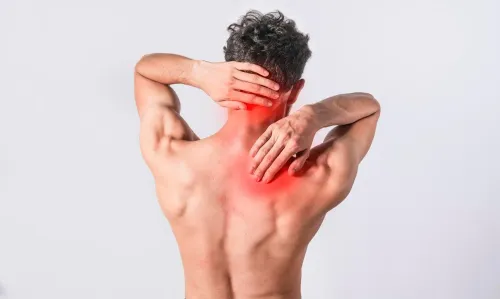
Lumbar osteoarthritis usually causes mechanical pain: stiffness after rest, discomfort when the spine is loaded, and reduced bending or rotation. Prolonged standing or walking can increase symptoms, while changing position or resting often eases them.
1. Muscle strain usually follows a recent lift, twist, or awkward movement. Pain often settles as the injured tissue recovers, although movement can hurt at first.
2. Disc-related nerve pain may travel from the lower back into the buttock or leg. Tingling, numbness, or weakness points more toward nerve involvement than isolated joint wear.
3. Spinal stenosis commonly causes leg pain, heaviness, or weakness during standing or walking. Sitting or bending forward often provides relief, a pattern that differs from simple lumbar stiffness.
4. Inflammatory back pain deserves separate assessment when stiffness lasts longer than 30 minutes, improves with movement rather than rest, starts at a younger age, or occurs with psoriasis, inflammatory bowel disease, or eye inflammation.
These patterns guide the next step, but they cannot confirm a diagnosis. For osteoarthritis back pain treatment or physiotherapy in Pune, ask for an assessment that checks movement, strength, sensation, and walking tolerance rather than relying on an imaging label alone.
Osteoarthritis physiotherapy in Pune is appropriate only after the symptom pattern and warning signs have been considered.
How Clinicians Confirm the Cause and Spot Red Flags
A scan is not the first test for uncomplicated low-back pain. A clinician first decides whether symptoms fit mechanical pain, nerve-root irritation, spinal stenosis, fracture, infection, inflammatory disease, or another cause. That decision determines whether you need physiotherapy, medical review, imaging, or urgent care.
The history should cover:
- When the pain began and whether lifting, falling, or another injury preceded it
- Walking tolerance, standing tolerance, night pain, and morning stiffness
- Fever, unexplained weight loss, previous cancer, and recent infection
- Bladder or bowel changes, leg weakness, numbness, or tingling
The examination checks lumbar flexion, extension, and rotation, along with hip movement, leg strength, reflexes, sensation, and walking. New leg weakness, numbness around the groin or saddle area, loss of bladder or bowel control, fever, unexplained weight loss, or pain after major trauma requires urgent medical assessment—not routine exercise.
Lumbar X-rays can show joint-space narrowing, osteophytes, and alignment changes, but they are not routinely needed for uncomplicated pain. Request imaging when the result is likely to change treatment. MRI is more useful when sciatica, progressive neurological signs, fracture, infection, cancer, or another serious condition is suspected.
Degenerative findings are common and do not prove they cause your pain, so an imaging report alone should not decide your back pain treatment in Pune or elsewhere.
Comparing Medicines, Physiotherapy, Injections, and Surgery
For lumbar osteoarthritis without red flags, physiotherapy and continued activity usually provide the foundation. Exercise can improve strength, movement confidence, and daily function even when degenerative changes remain on imaging. Medicines may control symptoms, but they do not repair spinal degeneration.
| Option | Useful role | When it applies |
|---|---|---|
| Physiotherapy | Builds strength, mobility, and function | Mechanical pain without red flags |
| NSAID | Short-term symptom control | Lowest effective dose after safety review |
| Spinal injection | Limited role | Not for ordinary low-back pain |
| Surgery | Treats selected nerve compression | Persistent sciatica with matching imaging |
A doctor may consider an NSAID for the shortest period after checking stomach, kidney, liver, and heart risks, pregnancy, and drug interactions. A proton-pump inhibitor may be added for stomach protection. Paracetamol alone is not a reliable low-back-pain strategy, and long-term opioids or opioid-gabapentinoid combinations are not routine osteoarthritis pain relief in Pune or elsewhere.
NICE does not recommend spinal injections for ordinary low-back pain. Radiofrequency denervation is reserved for selected chronic, localised facet-joint pain after non-surgical care has failed and a diagnostic medial-branch block gives a positive response.
An osteoarthritis scan alone does not justify surgery. Decompression is considered for persistent sciatica when imaging matches the symptoms; fusion and disc replacement are not standard treatments for ordinary low-back pain.
What Active Physiotherapy Looks Like in Practice
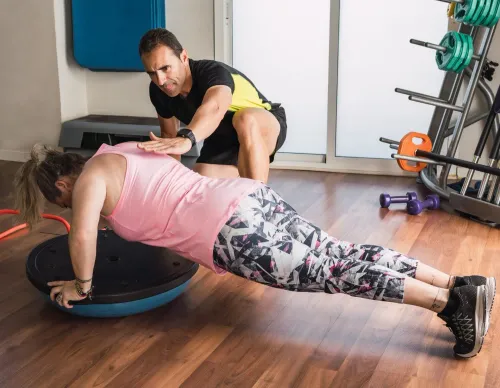
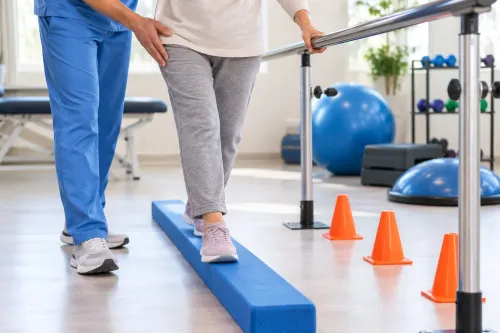
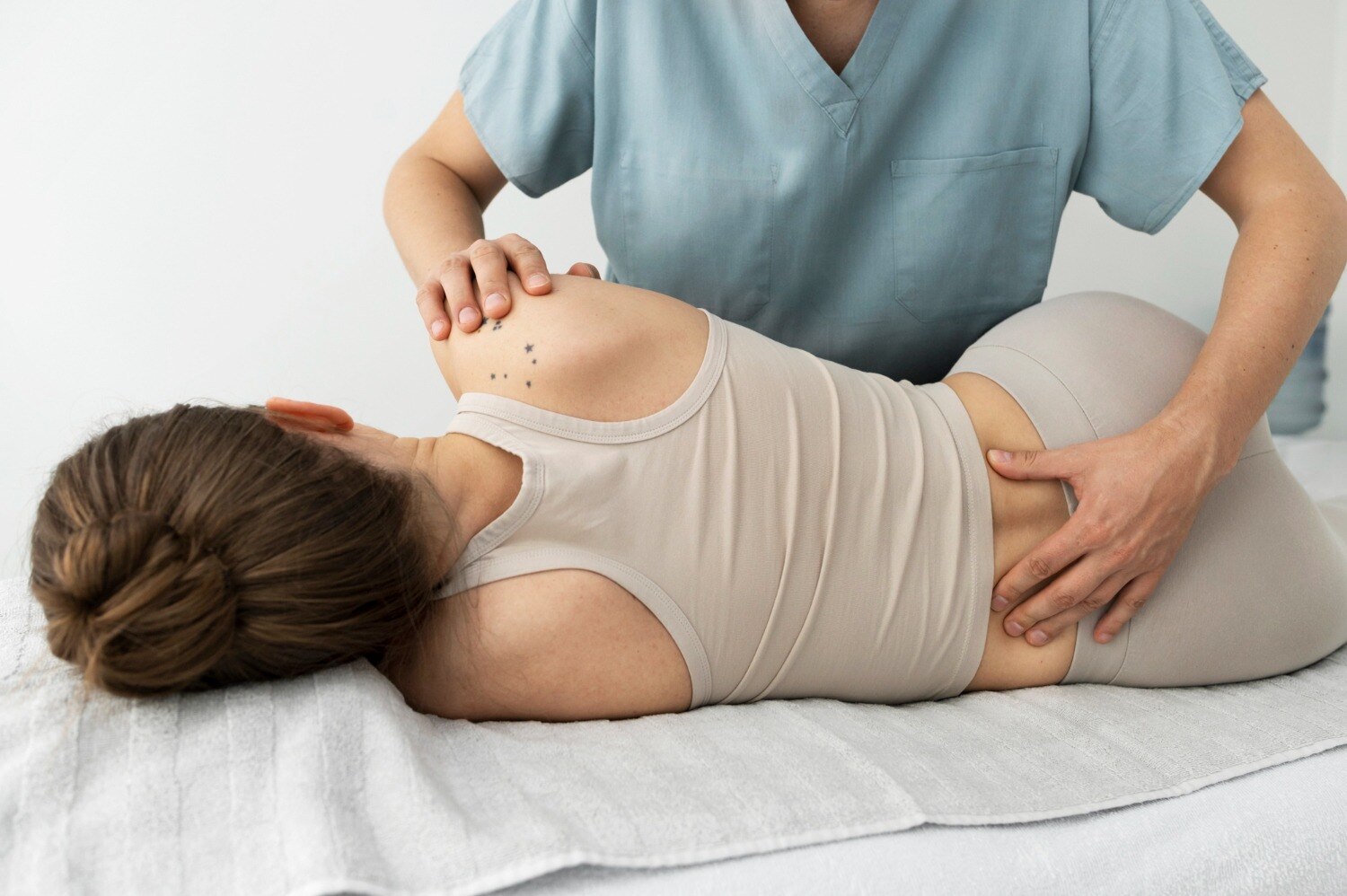
A useful physiotherapy plan is active: you practise movement and strength between appointments instead of relying on heat, massage, or machines. For physiotherapy for back pain in Pune, the first sessions may use gentle lumbar and hip mobility, trunk stabilisation, gluteal and leg strengthening, walking, or another low-impact aerobic activity suited to your ability.
Your therapist should progress the programme according to pain response and function. That might mean more repetitions, heavier resistance, longer walks, greater lifting demands, or balance work. A short-lived increase in soreness does not automatically mean you have damaged your spine.
You should leave with clear instructions for:
- Specific home exercises, including sets, repetitions, and how often to practise
- Posture, lifting technique, work modification, and pacing advice
- A measurable target, such as walking for 20 minutes, sleeping through the night, or lifting safely at work
- What to change if symptoms flare
Do not stop all activity during a flare-up. Reduce the aggravating movement, use shorter bouts, and rebuild gradually rather than waiting for complete pain relief. Visit frequency depends on severity, confidence, access, and progress; regular home practice does most of the work.
Manual mobilisation or massage can improve movement for a short time, but use them alongside exercise. Osteoarthritis physiotherapy in Pune should not rely on traction, routine lumbar braces, ultrasound, TENS, or electrotherapy as stand-alone treatment for chronic primary low-back pain. Progress should be reviewed against function, not just pain scores.
When Physiotherapy Is the Right First Step in Pune
Use a physiotherapy assessment first when your pain is mechanical: it changes with movement or loading, stays local or follows a predictable pattern, and comes without red flags. This fits stiffness, reduced movement, limited standing or walking tolerance, and reduced lifting confidence.
| Option | Choose it when | Main purpose |
|---|---|---|
| Physiotherapy | Local, predictable pain without red flags | Improve movement, strength, walking, and daily function |
| Specialist consultation | Neurological, inflammatory, traumatic, or unexplained features | Confirm the cause and assess medical or imaging needs |
| Urgent medical evaluation | Sudden bladder or bowel changes, saddle numbness, or progressive weakness | Exclude serious nerve compression or another emergency |
Seek an orthopaedic, rheumatology, or spine consultation before exercising if you have significant numbness, progressive weakness, suspected inflammatory disease, severe night pain, major trauma, fever, unexplained weight loss, a cancer history, or symptoms that fail to improve. Do not let an osteoarthritis scan alone decide your treatment.
Ask the provider:
- How will you test strength, reflexes, sensation, and walking?
- What function will we measure, such as walking time or lifting ability?
- How will exercises progress?
- Which medication risks need review?
- What finding would make imaging necessary?
For osteopathy back pain treatment or physiotherapy in Pune, and for physiotherapy for back pain in Pune, choose a plan that measures function rather than promising to reverse imaging findings. Dr Hiremaths Dental And Physiotherapy clinic is one local option for discussing assessment and rehabilitation. Choose care by cause, risk, and functional goal.
Related service
Physiotherapy Get personalized physiotherapy for back pain and reclaim your active life. View service → |
Frequently asked questions
How does osteoarthritis back pain differ from other causes?
Lumbar osteoarthritis usually causes mechanical pain, stiffness after rest, and discomfort during loading, bending, or rotation. Pain that eases with rest or a position change supports this pattern, but it does not confirm the diagnosis.
How do clinicians confirm the cause of back pain?
A clinician reviews your symptoms, examines spinal movement, strength, sensation, reflexes, and walking, then orders imaging when the findings require it. Imaging alone does not identify the pain source.
When does osteoarthritis back pain require urgent medical assessment?
Seek urgent care for new or worsening leg weakness, loss of bladder or bowel control, numbness around the groin, fever, unexplained weight loss, or severe pain after significant trauma.
How do medicines, physiotherapy, injections, and surgery compare?
Medicines can reduce symptoms, physiotherapy targets movement and strength, injections may provide selected short-term relief, and surgery is reserved for specific structural or nerve problems that do not respond to appropriate non-surgical care.
What does active physiotherapy for osteoarthritis back pain involve?
Treatment can include a movement assessment, mobility exercises, trunk and hip strengthening, walking or loading practice, education, and a graded home programme adjusted to your response.
Keywords