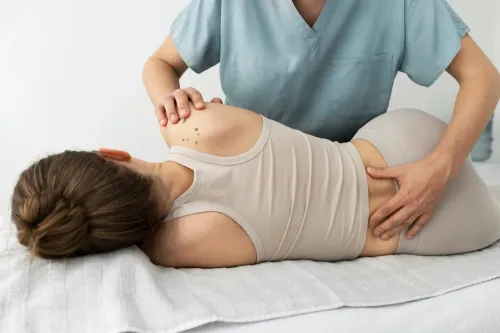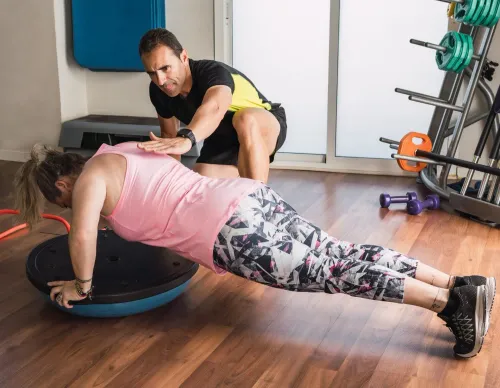
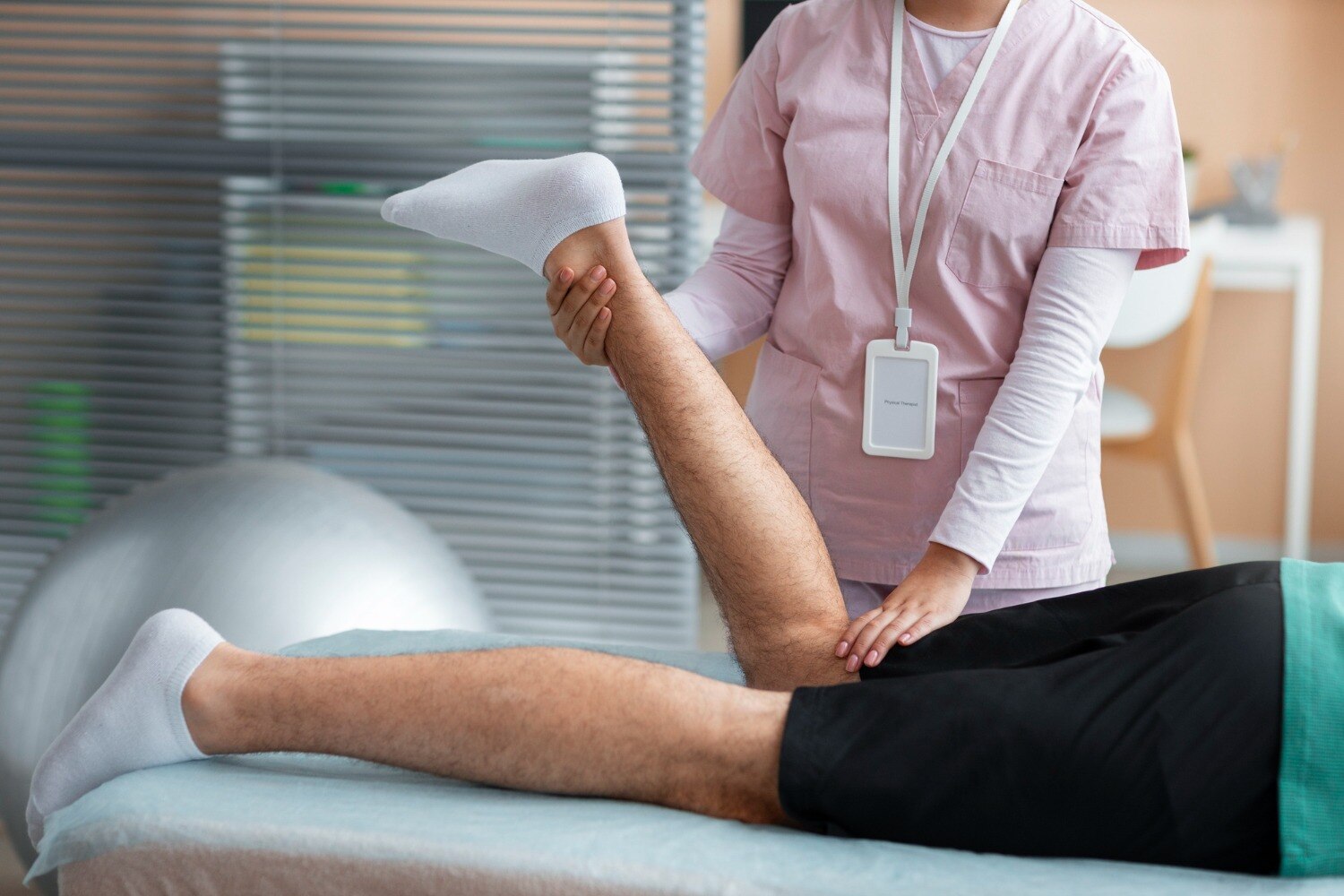
Recovery depends on what was repaired, how the wound and bone are healing, and which movements and loads your surgeon has permitted. You will learn how to prepare for therapy, judge progress, manage home care, recognise warning signs, and choose appropriate support in Pune.
Key takeaways
- Follow the surgeon’s weight-bearing limits before standing or exercising.
- Use wound status, pain, swelling, strength, and walking ability to track progress.
- Call the surgeon for worsening redness, drainage, fever, or sudden calf pain.
- Choose a Pune physiotherapist who coordinates directly with your surgeon.
Which operations need different rehabilitation plans?
One universal exercise plan is unsafe: early loading or stretching that suits one operation can disrupt a healing tendon, ligament, fusion, or fracture. Post surgical rehab for ankle and foot pain in Pune must follow the operation, imaging, wound status, surgeon’s instructions, and your goals.
| Operation | Why the plan differs |
|---|---|
| Ankle fracture fixation | Bone and fixation need protected loading while movement and strength return. |
| Ligament repair or reconstruction | The repaired ligament needs controlled motion, bracing, and gradual loading. |
| Achilles tendon repair | Early stretching or forceful calf work can stress the tendon repair. |
| Bunion or other tendon surgery | Foot alignment, tendon healing, footwear, and forefoot loading require specific limits. |
| Joint replacement | Motion, stability, wound healing, and safe weight-bearing follow the implant protocol. |
| Fusion | The fused joint needs protection until bone healing is confirmed. |
| Nerve procedures | Sensation, weakness, nerve recovery, and pressure protection guide rehabilitation. |
The surgeon’s protocol decides non-weight-bearing, partial or protected weight-bearing, full weight-bearing, boot or cast use, brace settings, permitted joint movement, wound status, and restrictions on stretching or loading. Do not increase weight-bearing because pain has decreased.
Rehabilitation can begin with elevation, toe movement, circulation exercises, safe transfers, and crutch or walker practice. Formal range-of-motion or strengthening starts only when permitted. A closed incision does not prove that bone, tendon, ligament, fusion, strength, or walking ability has recovered. Confirm unclear instructions with the operating team before exercising or changing equipment use.
What happens from the first assessment through each recovery phase?
The first physiotherapy visit starts with a safety review, not exercises. Your therapist examines the operation report, imaging, surgeon’s restrictions, medications, wound and scar, pain, swelling, sensation, footwear, and use of a boot, cast, brace, crutches, or walker. They also assess permitted movement, strength, walking, stairs, transfers, work and sport demands, and functional goals.
Recovery is commonly organised in these phases:
1. Protection and swelling control: elevation, toe movement, circulation exercises, safe transfers, and equipment training protect healing tissue without exceeding restrictions.
2. Allowed range-of-motion work: the therapist moves or prescribes movement only within the surgeon’s limits.
3. Progressive strengthening: resistance increases as healing, pain, swelling, and movement quality permit.
4. Weight-bearing progression: non-weight-bearing changes to partial, protected, or full weight-bearing only with surgeon approval.
5. Gait and balance retraining: walking pattern, stairs, balance, and confidence are rebuilt before higher-demand activity.
6. Graded return: work, driving, normal walking, running, or sport follows procedure-specific milestones and functional testing.
Ankle fracture healing often takes roughly 6–12 weeks, but stiffness, swelling, weakness, and altered gait can last months. Tendon repair, fusion, replacement, and ligament surgery follow different milestones, so post surgical rehabilitation in Pune should follow your operation and written restrictions, not a standard calendar.
What should you do at home between appointments?
Pain and swelling can increase after activity without meaning the repair has failed. Elevate your leg above heart level, use a cold pack wrapped in cloth rather than on bare skin, and reduce activity temporarily. If sensation or circulation is impaired, ask your clinician before using cold therapy.
- Follow the prescribed medication directions and complete only permitted exercises. Stop and seek advice for worsening pain, swelling, discharge, numbness, or colour change.
- Keep dressings and the wound dry as instructed. Wait for complete closure and medical clearance before scar massage or soaking.
- Use crutches or a walker with the instructed weight-bearing level. Push from the chair when standing, keep the device stable during transfers, use the handrail on stairs, and wear the prescribed boot or supportive footwear.
- Repeat the home programme consistently, but progress repetitions, resistance, movement, balance, or walking only after the current level is tolerated.
- Plan for transport, appointment time, and temporary equipment. Immediate pain-free walking is not the goal; gradual loading is safer.
Supervised therapy offers feedback, adherence support, safe progression, and communication with the surgeon. Online exercises lack operation-specific checks, rest alone permits stiffness and weakness, and rushing back risks overload. Before booking foot pain physiotherapy in Pune, confirm that restrictions and assistive-device training will guide the programme.
How do you know when rehabilitation is progressing?
Useful progress shows up in function, not just a healed incision. Your therapist should track ankle dorsiflexion and plantarflexion, calf and lower-limb strength, walking distance, gait quality, stair control, swelling response, and single-leg balance when permitted.
| Measure | Progress looks like | Decision |
|---|---|---|
| Daily function | Bathing, dressing, household tasks, work, or sport take less effort | Increase demand when tolerated |
| Walking and stairs | Longer distance, steadier gait, controlled steps | Reduce aids only when clinically appropriate |
| Exercise response | No concerning rise in pain, swelling, discharge, numbness, or colour change | Add repetitions, resistance, range, balance challenge, or walking demand |
A graded return is safer than testing a repaired ankle with one sudden full-intensity session. Running, jumping, uneven ground, and sport require procedure-specific healing, adequate strength, balance, movement quality, and a settled swelling response—not merely a calendar date.
Driving depends on the operated side, vehicle controls, braking ability, medication effects, and medical clearance. Return to work depends on standing, walking, lifting, and workplace surfaces. Your therapist and surgical team should match each step to your operation and restrictions.
Which symptoms need the surgeon or emergency care instead?
Persistent pain or a new symptom is not a physiotherapy problem when it signals infection, impaired circulation, nerve damage, a clot, or a new injury. Contact the surgeon or emergency services instead.
| Finding | What it may indicate | What to do |
|---|---|---|
| Expected soreness or swelling after activity | Normal recovery response | Rest, elevate, and follow the prescribed programme; report symptoms that do not settle |
| Increasing redness or warmth, pus, foul drainage, wound separation, fever, rapidly worsening pain, new numbness, or an open wound | Possible infection or wound complication | Seek prompt medical review; do not use exercise or massage to manage it |
| New one-sided calf or thigh swelling, tenderness, warmth, or unexplained pain | Possible deep-vein thrombosis | Seek urgent medical assessment |
| Sudden breathlessness, chest pain, coughing blood, fainting, or a rapid heartbeat | Possible pulmonary embolism | Call emergency services immediately |
| A cold, pale, blue, severely painful, or markedly numb foot, especially inside a tight cast or boot | Impaired circulation or nerve compression | Seek urgent assessment; do not tighten the cast, boot, or dressing yourself |
Seek surgeon review or clearance before changing treatment if you have diabetes, poor circulation, osteoporosis, prior infection, nerve symptoms, complex reconstruction, a second procedure, uncontrolled pain, a new injury, or unexplained neurological changes. Surgeon follow-up and emergency care take priority over exercise.
How should you choose post-surgery physiotherapy in Pune?
A suitable clinic must match your operation, restrictions, and recovery setting—not simply advertise ankle rehabilitation in Pune or post surgery physiotherapy in Pune. Ask for an assessment before accepting a programme.
- Has the therapist treated your exact operation, such as fracture fixation, Achilles repair, fusion, or bunion surgery?
- Will they follow the surgeon’s written limits on weight-bearing, boot or cast use, brace settings, and movement?
- Will they measure range, strength, balance, walking, stairs, and functional milestones rather than range alone?
- Can they train crutch, walker, boot, gait, and balance use, and contact the surgical team if symptoms or progress are atypical?
- How many visits and home exercises are expected, and how will swelling or pain change the plan?
- What criteria decide return to work, driving, running, or sport?
Clinic fit matters after surgery.
| Option | Check before booking | Why it matters |
|---|---|---|
| Travel | Distance, transport, step-free entry | Reduces unsafe trips while weight-bearing is restricted |
| Appointments | Frequency and cancellation flexibility | Supports consistent progression |
| Equipment | Walking aids, balance and gait-training space | Enables task-specific rehabilitation |
Dr Hiremaths Dental And Physiotherapy clinic may suit you when its team documents these safeguards and matches them to your access and follow-up needs. Suspected infection, clot, uncontrolled pain, a new injury, or unexplained neurological change requires medical review before physiotherapy.
Related service
Physiotherapy Recovering from surgery? Our post-surgical rehab program helps you regain strength, mobility, and independence. View service → |
Frequently asked questions
Which foot and ankle operations need different rehabilitation plans?
Rehabilitation differs after fracture fixation, tendon or ligament repair, fusion, joint replacement, bunion surgery, and other procedures because weight-bearing and movement restrictions vary.
What happens during post-surgical foot and ankle physiotherapy?
Treatment begins with a review of the operation, imaging, wound, pain, swelling, movement, strength, and walking status, then progresses from protection to mobility, strengthening, balance, and functional activity.
What can I do at home between physiotherapy appointments?
Follow the prescribed weight-bearing limits and exercises, elevate the limb, use ice only as directed, protect the wound, and record changes in pain, swelling, walking, and movement.
How do I know whether ankle rehabilitation is progressing?
Progress appears as controlled improvements in pain, swelling, range of motion, strength, balance, walking, and daily activities without a lasting symptom flare after exercise.
Which symptoms require the surgeon or emergency care?
Contact the surgeon for increasing redness, drainage, wound opening, fever, worsening pain, or new numbness. Seek emergency care for chest pain, breathlessness, or sudden calf swelling and pain.
Keywords